
New Year, New Business – by Rosemary Trietsch
Thursday, January 7th, 2010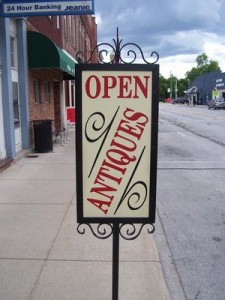 Many people pick January 1st as the day to open their new online Antiques business. Unfortunately, more than half of them close this same business before June rolls around, citing no sales or high expenses as the reasons. Somehow the “I’m going to make a million dollars in 3 months on the internet” mentality is still alive and well.
But the real reason these businesses fail is because the owners didn’t do their homework before they opened shop, and then they stopped doing any work once they did. You wouldn’t open a brick and mortar store and work one day a month and expect to make money, so why approach a cyber store with the same attitude? Online businesses will work if you work them. Here’s a few hints to make yours a success.
Know your merchandise. Don’t sell glass if you’re a furniture expert. Play to your strengths. Decide what you’d like to specialize in, then get every book you can find on the subject and study! Educate yourself about the history of your items, the selling prices, reproductions that may be out there, and how condition affects price & desirability. Successful online Antiques businesses are run by people who know about their wares and are always looking to learn more.
Know your venue. Like brick and mortar stores, online Antiques malls have reputations and established clientele. Before you open your site, check out what’s being sold by other dealers in that online mall. Your Victorian mantle lustres will be ignored on a site where comic books and vintage toys are the hot items. You should also check the ‘about us’ section of the site to learn how long they’ve been around, who owns them, how many dealers they have, etc. Finally, ask the dealers who sell the type of items you’re looking to sell if they’ve had good results.
Advertise. Once you open your site, make your presence known. Take advantage of advertising available within the mall such as mailing lists, bulletin boards, press releases, and paid feature ads. Submit your site to every search engine you can think of, and buy keyword advertising. Join online fan groups, study groups, and chat boards that feature your type of merchandise, then get your site listed – even if you have to PAY to be added to their list. Don’t nickel and dime your online business to death. You have to spend money to make money.
Commit to your business. If you open your online antique business with the attitude, “I’m going to give this 6 months and if I haven’t made money, then I’m out,” then don’t bother opening at all. You wouldn’t put such limitations on a brick and mortar store, so why do it to your cyber store? Every antique store – whether cyber or tangible –requires hard work, dedication, and perseverance. If you commit to doing whatever it takes to make your business a success, then you will succeed.
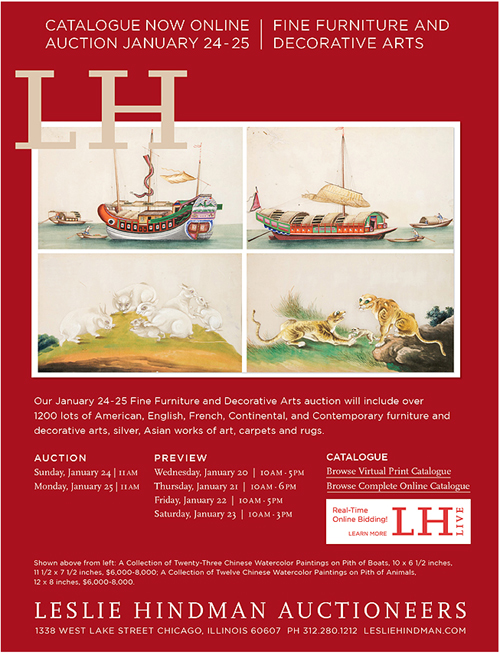
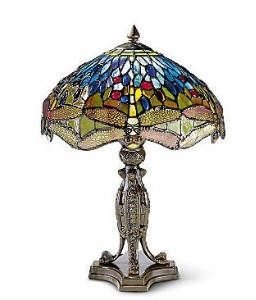 Fake…a word no collector or dealer ever wants to hear. Fakes run rampant in the antiques and collectibles industry. Many people think fakes are only for expensive items such as Monet paintings, diamond jewelry, and Rolex watches. Not so!
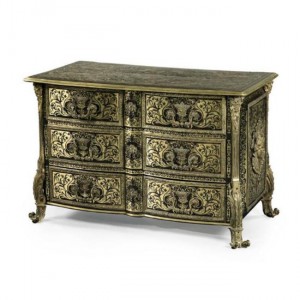 Furniture…everyone has it and some even know how to decorate with it. As with any industry, antique and vintage furniture collectors have a lingo of their own. I’ve picked out some common, and not so common, terminology I thought would be fun to talk about.
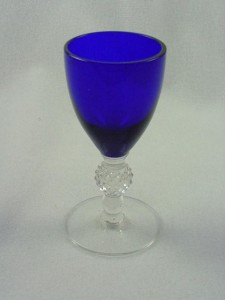 collectors generally agree that such a repair is acceptable.
 EBay literally sells tens of billions of dollars worth of goods each year. So how does someone capitalize on such a huge market place to put a few of those dollars in their own pocket? Here are a few ideas to help sell your antiques and collectables with the world’s largest online auction marketplace.
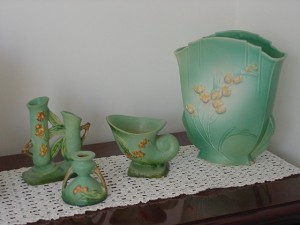 When it comes to the art of pottery, the name ‘Roseville’ says it all. The Roseville Pottery Company produced some of the most beautiful American Art pottery of the 20th Century. From the simplest utilitarian wares to their artist signed pieces, Roseville is eagerly sought by today’s collectors.
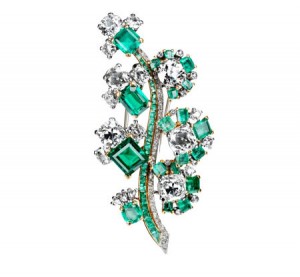 At least once a month I hear about a “score” made by a collector or dealer in the jewelry field.